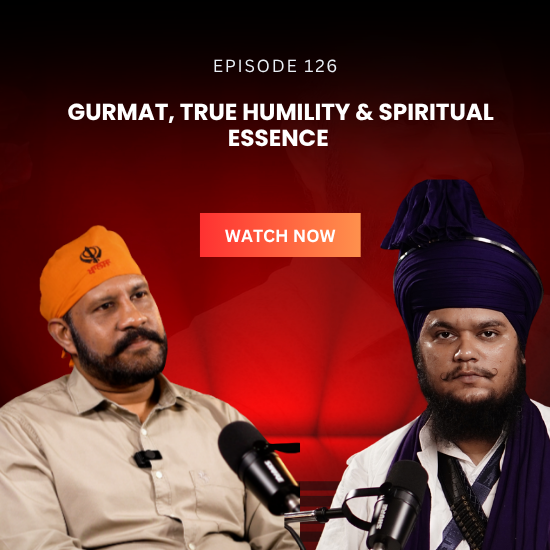
The conversation unfolds as a deep dive into the life and experiences of an Indian Army veteran, Major-General Neeraj Bali. It begins with his modest beginnings and an unexpected journey into the armed forces. He shares how his dream of becoming a doctor transformed into a military career, ignited by a teacher’s suggestion and the allure of the National Defence Academy (NDA). His candid storytelling brings to light the challenges he faced as a young cadet, from adapting to the disciplined and demanding environment of the NDA to navigating an entirely new world of camaraderie, tradition, and rigorous training. The anecdotes from his early days vividly illustrate the resilience required to thrive in the army, making it clear that success is about perseverance and adaptability.
The veteran offers a unique perspective on the army’s culture and values, emphasizing the importance of character, loyalty, and teamwork. Unlike other professions, the army doesn’t prioritize background or academic achievements; instead, it focuses on an individual’s ability to lead, collaborate, and uphold honor. He draws parallels between army training and life lessons, explaining how rigorous routines and traditions instill not just physical toughness but also a strong moral compass. The conversation reveals how the army’s culture of accountability and mutual respect translates into a lifelong bond among its members. Through touching examples, such as a barber’s wisdom about leadership or a young officer’s bravery in the line of duty, he showcases the profound depth of relationships and trust built within the armed forces.
Delving into broader issues, the conversation shifts to geopolitical challenges, highlighting the evolving dynamics between India and its neighbors. The veteran shares firsthand accounts of encounters with Pakistan and China, shedding light on the strategic and tactical considerations of dealing with adversaries. He discusses the importance of maintaining internal strength—economically, militarily, and diplomatically—while cautioning against relying on external powers for support. His insights into historical and contemporary military engagements underscore the complexities of border disputes and the strategic patience required to navigate them.
The discussion also touches upon the role of the Indian Army in nation-building and its unique contributions beyond the battlefield. The veteran speaks about the integration of technology, self-reliance in defense production, and the gradual shift toward indigenization in weaponry. He acknowledges the progress India has made in reducing its dependency on imports while emphasizing the need for further advancements in this area. His anecdotes about interactions with soldiers, civilians, and international counterparts provide a nuanced understanding of the challenges and triumphs faced by the armed forces in maintaining peace and security.
A recurring theme throughout the conversation is the value of leadership by example. The veteran passionately explains how a leader’s actions, not words, inspire trust and loyalty. Using real-life stories, he emphasizes the importance of setting a standard, protecting one’s team, and prioritizing their well-being. He extends this lesson to everyday life, encouraging listeners to find meaning in their roles, whether as professionals, parents, or members of society. His advice to entrepreneurs and young leaders focuses on understanding market needs, differentiating oneself, and maintaining a disciplined approach to cost and strategy.
The conversation concludes with reflections on life after the army and the transition to civilian roles. The veteran shares how the skills and values instilled by the army—discipline, adaptability, and a commitment to lifelong learning—enabled him to excel in leadership positions across industries. He underscores the importance of continuously upskilling and finding purpose in one’s endeavors. As he speaks about his post-retirement roles in education and corporate leadership, his words resonate with a sense of fulfillment and an unwavering dedication to contributing to society.
Through personal stories and profound insights, this conversation offers a compelling blend of inspiration and practical wisdom. It serves as a testament to the transformative power of discipline, resilience, and purpose, leaving the audience with lessons that transcend the boundaries of the military and find relevance in every walk of life.
Frequently Asked Questions
Certainly! Here’s a Q&A based on the insights shared by Major General Neeraj Bali in the podcast: