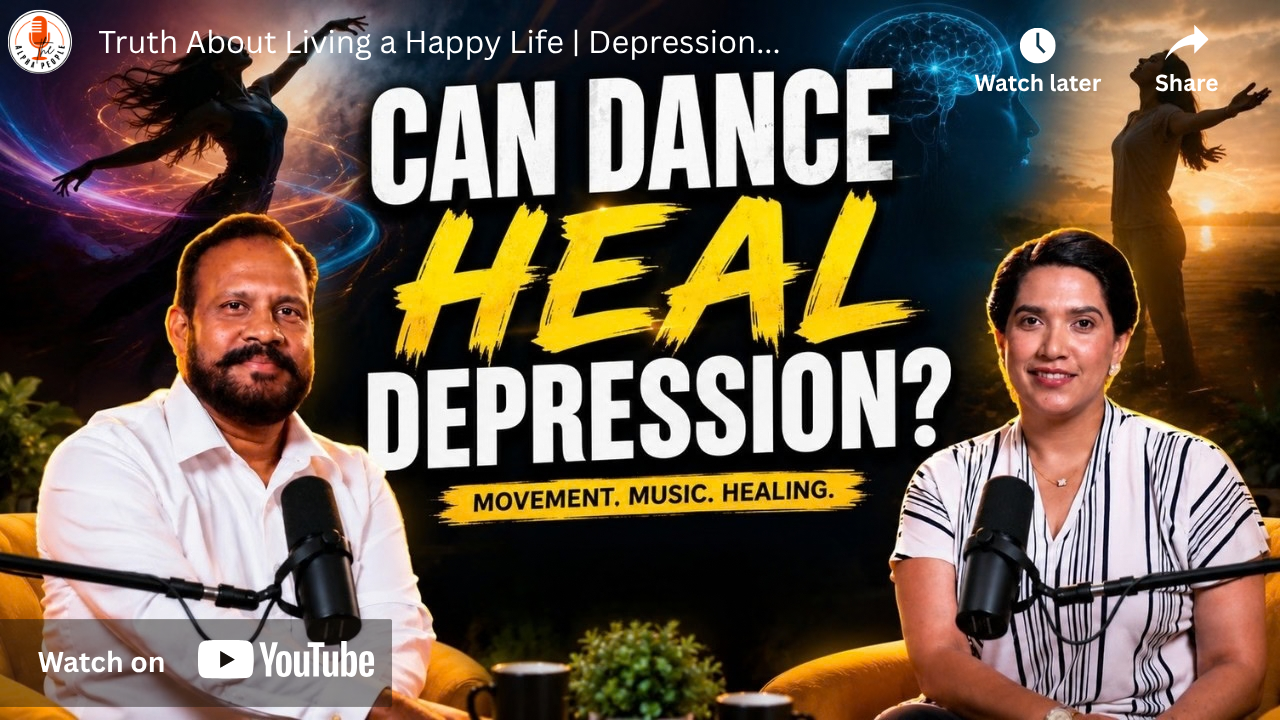
In this episode of The Alpha People, Jas K Shan—a holistic wellness coach, dance instructor, and entrepreneur with over 20 years of experience—shares her perspectives on mental and physical well-being, personal fulfillment, relationships, and healing through dance movement.
Holistic Healing Through Dance Movement Physical movement serves as a powerful somatic mechanism for emotional healing, enabling individuals to process stored stress, trauma, and depression without relying solely on verbal expression. By establishing a stronger mind-body connection, integrating intentional movement into daily routines helps break the stagnation of everyday life, lowering anxiety levels while fostering greater self-awareness and mental clarity.
Personal Growth and Fulfillment Achieving long-term personal fulfillment requires stepping away from rigid societal expectations and conventional structures, such as standard nine-to-five models, to align one’s career and daily habits with authentic personal values. Postponing happiness for a hypothetical future milestone often leads to unnecessary regret; instead, cultivating daily satisfaction and embracing the present moment creates the psychological resilience needed to navigate life’s inevitable uncertainties.
Relationships and Interpersonal Dynamics Healthy interpersonal relationships depend heavily on individual self-worth rather than a reliance on external validation from partners or social expectations. Sustainable emotional stability is built on self-respect and personal independence. Furthermore, addressing ego and recognizing how societal conditioning influences gender-based emotional expression allows for clearer communication, deeper empathy, and more balanced relational dynamics.
🔔 Don’t forget to subscribe & share if this conversation resonated with you!
Frequently Asked Questions
Certainly! Here are some potential questions and answers based on the podcast conversation:
Movement operates as a somatic approach to emotional release. Beyond physical fitness, dance acts as an avenue for self-expression, allowing individuals to release stored trauma, counter depression, and cultivate internal joy and validation.
Jas emphasizes aligning work with personal values rather than societal pressure. Path creation should be guided by dynamic satisfaction, flexibility, and a sense of ownership over one's time rather than adhering strictly to traditional 9-to-5 structures.
Relational distress often stems from relying on external validation to feel worthy. Sustainable happiness requires developing internal security, maintaining healthy boundaries, and avoiding co-dependency or surface-level commitments driven by societal expectations.
Life balance requires enjoying the present moment while managing daily challenges. Rather than postponing happiness for future milestones, individuals should treat every day as "Day One," actively pursuing joy, passion, and personal fulfillment continuously.
Yes, many contact and non-contact injuries can be prevented through structured neuromuscular warm-up programs. Dr. Arora highlights grassroots protocols such as FIFA 11+, which incorporates 11 specific dynamic exercises focusing on core stability, eccentric hamstring control, and landing mechanics. Studies have demonstrated that consistently implementing these basic warm-up drills drastically reduces the rate of severe ligament injuries.