🔔 Don’t forget to subscribe & share if this conversation resonated with you!

Frequently Asked Questions

Certainly! Here are some potential questions and answers based on the podcast conversation:
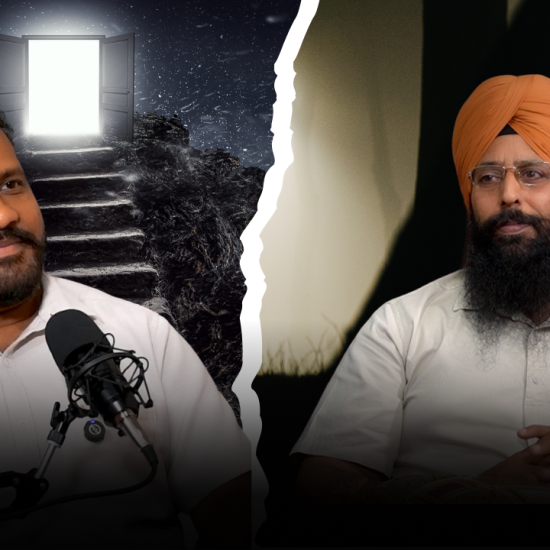
Start small, just like I did with a card trick from my uncle! Mentalism is about understanding people, so begin by observing body language and practicing simple tricks, like guessing a number between 1 and 6. Read books on psychology—look into how people think or react, like *Influence* by Robert Cialdini. Practice with friends, maybe try influencing their choices in a fun way, like picking a card or number. It’s all about building confidence and curiosity. There’s no formal school in India, but online tutorials and magic communities, like the Magic Circle, can guide you. Keep experimenting, and don’t be afraid to fail—that’s how I learned over a decade!
Mentalism taught me to break out of my shell. As a shy kid, I was too nervous to even go to the park, but performing tricks gave me attention and confidence. It showed me that you can influence not just others’ thoughts but your own mindset. By believing in yourself and practicing relentlessly, you can shape your reality, just like I influence someone to pick the Queen of Clubs. It’s proof that our minds are powerful tools for growth—use them to overcome fears and connect with people.
Oh, it happens! Early on, I misread people’s cues, and tricks flopped. The key is to laugh it off and learn. Every failure is a clue to how someone’s mind works differently. On stage, I use humor or pivot to another effect to keep the energy up. Like when someone picks a random number instead of 3, I read their body language to adapt. Stay curious, practice daily, and remember: the audience wants to be amazed, not to judge. That’s what keeps me going after a decade of performing.
Absolutely! Mentalism hones your ability to read people—their gestures, tone, or hesitations. In a job, you can use this to understand colleagues or pitch ideas persuasively, like I influence choices in a show. In relationships, it’s about listening and picking up on unspoken cues, which builds trust. For example, noticing someone’s eyes dart left when they recall a memory can help you connect deeper. Plus, the confidence from performing translates to any challenge, whether it’s a presentation or a tough conversation.
My dream is to perform a vanishing act in Las Vegas, flying on stage and reappearing in another city—something unforgettable! To set big goals, start by picturing the impact you want to make, like wowing an audience or inspiring someone. Break it into steps: learn one trick, perform for friends, then book small gigs. Reverse-engineer like I do with tricks—decide the end result, then work backward. Stay persistent, even when it’s tough, and seek inspiration from greats like Criss Angel or Dynamo. Believe in your vision, and with practice, you’ll make magic happen!
Skeptics are part of the fun! Some people bluff or resist to prove they’re “strong,” but that’s just psychology at play—often, they’re the most insecure. I stay calm, read their body language, and adapt. Like in the podcast, when Naveen thought he was choosing freely, I guided him to 3 or 2. Mentalism isn’t about proving it’s real; it’s entertainment. Smile, keep the energy positive, and let the trick speak for itself. Even skeptics can’t resist a good surprise, like when I revealed Rakesh’s name!
I was that shy kid who needed my dad to drop me at the park, so I get it. Start small—perform for family or friends in a safe space. Mentalism helped me because it’s about the audience’s amazement, not you. Focus on their reactions, not your fears. Practice one trick, like a card force, until it’s second nature. Each time you perform, it’s like cracking a shell. Soon, you’ll crave the stage, just like I did when neighbors started calling me for tricks. You’ve got this—let the magic boost your confidence!