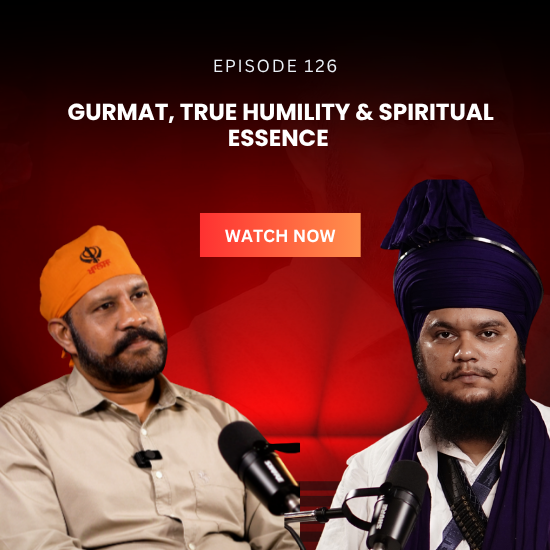
In this episode of The Alpha People, we sit down with the acclaimed Punjabi film director Naginder Gakhar to uncover the inspiring and often challenging journey that has shaped his career. Gakhar, known for his authentic portrayals of Punjabi culture and deep commitment to storytelling, takes listeners on a reflective journey that spans his transition from a struggling actor to a respected director. Through his stories, he shares his experiences of growing up in Punjab, where he was first introduced to the art of cinema and developed a love for acting that would eventually propel him into the industry.
Gakhar talks about the early days of his acting career, a time when Punjabi cinema was still emerging and struggling for recognition. He faced considerable challenges, from limited budgets to finding roles that resonated with his passion for authenticity. His work in films like Chak Jawana and Sadda Haq helped him gain recognition as an actor willing to tackle socially impactful roles. These films, dealing with complex issues like youth empowerment and regional conflicts, gave him a platform to share the stories he felt were often overlooked by mainstream cinema. His storytelling approach has always been rooted in realism, portraying the everyday struggles and triumphs of Punjab’s people.
As Gakhar moved into directing, he sought to bring an even deeper level of storytelling to Punjabi cinema. He describes his directorial debut, Bodi Wala Tara, as a project close to his heart, exploring themes of family loss and responsibility, topics he felt were universally relatable yet distinctly Punjabi in spirit. The film allowed him to craft stories from behind the lens, bringing to life characters and situations that mirror the real-life resilience of Punjab’s people. His passion for presenting authentic narratives has positioned him as an artist who stays true to his roots, and this is evident in his choice of projects, each reflecting a piece of Punjabi culture, history, or everyday life.
Throughout the conversation, Gakhar also shares insights into the shifting landscape of Punjabi cinema, particularly the growing influence of OTT platforms. He acknowledges how platforms like Netflix and Amazon Prime have transformed the industry by giving Punjabi films access to a global audience. OTT has allowed filmmakers to tell stories that are not restricted by traditional cinematic expectations, opening doors to experimental, bold narratives that wouldn’t have been possible a decade ago. Gakhar is enthusiastic about this change, as it has provided Punjabi artists with the creative freedom to take risks and connect with viewers worldwide, including the large Punjabi diaspora.
Gakhar speaks candidly about the unwavering support he received from his family throughout his career, especially from his mother and wife, who stood by him during his most challenging times. He discusses the strength that this support provided, enabling him to overcome obstacles and continue pursuing his dreams even when the odds seemed stacked against him. His reflections on family and cultural values underscore the importance of resilience, a theme that runs through both his personal life and his work.
The podcast also delves into Gakhar’s thoughts on the evolving nature of Punjabi cinema and its relationship with its audience. He points out how the industry has traditionally faced budgetary and distribution limitations, which have historically restricted storytelling to more commercially viable narratives. However, with the rise of OTT, there is a newfound space for Punjabi filmmakers to explore fresh themes, giving a voice to underrepresented perspectives and creating content that resonates on a personal level with viewers. Gakhar is particularly proud of how Punjabi cinema has maintained its cultural identity, even as it embraces new formats and reaches wider audiences.
Naginder Gakhar’s journey, as shared in this episode, is a testament to his passion for preserving the soul of Punjabi storytelling. His experiences reveal the dualities of an industry that has been both challenging and rewarding, one that requires persistence yet provides the opportunity to make a meaningful impact. For aspiring filmmakers and cinema lovers, his story serves as an inspiring reminder of the importance of cultural authenticity, the power of family support, and the resilience needed to succeed in the arts. As Gakhar continues to build his legacy, he remains dedicated to creating films that not only entertain but also celebrate and preserve Punjabi culture for future generations.
The podcast offers an engaging and insightful look into the life of a filmmaker whose work captures the essence of Punjab, combining tradition with innovation, and providing a bridge for Punjabi stories to reach audiences worldwide.
Frequently Asked Questions
Certainly! Here’s a Q&A based on the insights shared by Naginder Gakhar in the podcast:
Bodi Wala Tara is very close to my heart. It’s about a man, Kartar, who faces a tragedy and must take on new responsibilities in his family. The film explores family, loss, and resilience, themes that resonate deeply with Punjabi audiences. Through this story, I wanted to showcase the strength of Punjabi culture and the unbreakable bond of family.