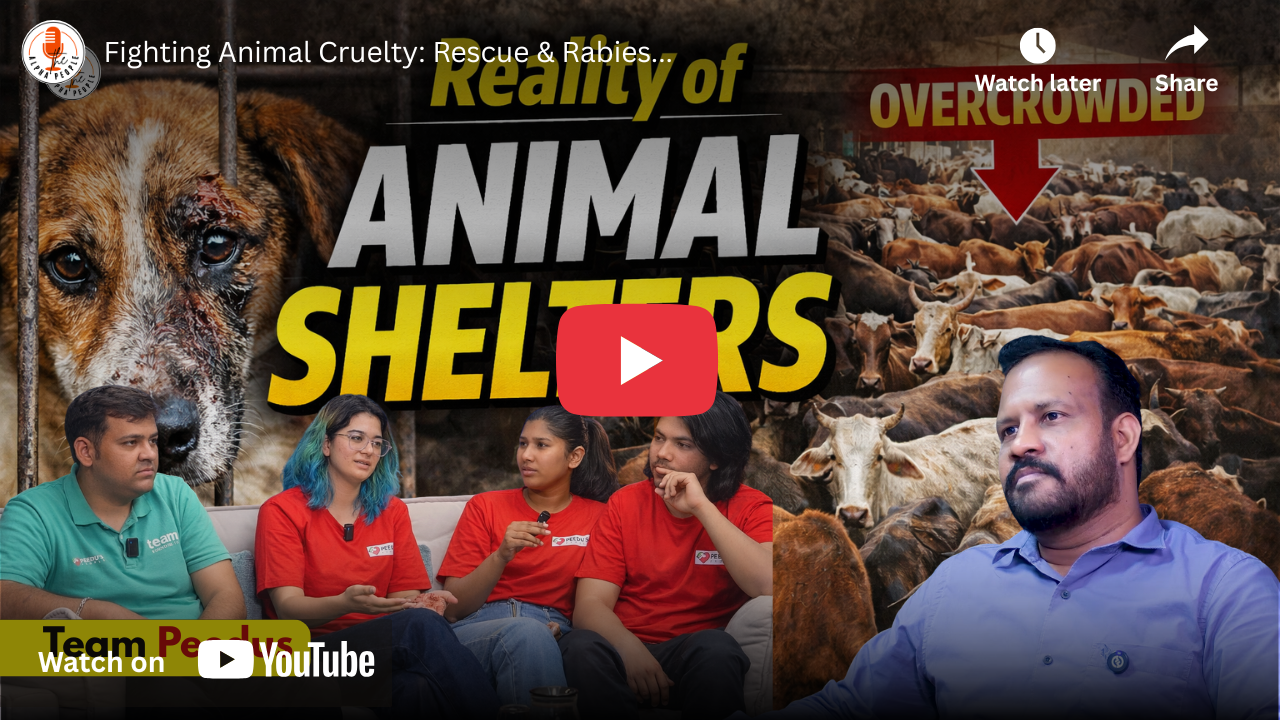
The podcast begins by introducing the multifaceted mission of Peedu’s People, an organization dedicated to animal welfare, policy advocacy, and human education. The guests emphasize that animal welfare isn’t just about rescue; it’s about changing the human mindset through education to recognize that the planet belongs to all species. They discuss the critical role of “human education” in schools to foster empathy from a young age and the ongoing struggle to enforce the Prevention of Cruelty to Animals Act of 1960, which currently carries outdated, negligible fines.
A significant portion of the discussion is dedicated to the rabies myth and dog population management. The experts clarify that rabies is 100% preventable and debunk the fear-mongering often seen in media. They explain the “10-day observation rule” and the importance of Animal Birth Control (ABC) and Anti-Rabies Vaccinations (ARV). By sterilizing and vaccinating street dogs, communities can drastically reduce bite incidents and eliminate the threat of rabies, creating a safer environment for both humans and animals.
The conversation then shifts to the hidden cruelty in the dairy industry. Guests highlight the miserable lives of dairy animals—cows and buffaloes—often tied with short ropes in their own filth, treated as mere milk-producing machines. They discuss the illegal use of Oxytocin and the heartbreaking reality of male calves and “spent” cows being abandoned on the streets or sent to illegal slaughterhouses. This segment serves as a powerful call to action for consumers to visit local dairies and witness these conditions firsthand.
Wildlife exploitation and the illegal pet trade are also brought to the forefront. Many Indians unknowingly commit crimes by keeping protected species like Indian Green Parrots or turtles as pets, which can lead to imprisonment. The guests explain how captivity causes psychological distress in wild animals, leading to self-mutilating behaviors. They advocate for observing animals in their natural habitats rather than supporting zoos or “entertainment” businesses that profit from animal confinement.
The plight of working animals, specifically horses (equines) in cities like Chandigarh and Patiala, is discussed with great concern. The guests expose the use of illegal “spiked bits” (iron bits with thorns) that cause permanent mouth injuries to horses. They also highlight the issue of overloading and the lack of awareness among owners regarding animal labor laws. Through intervention and “spiked bit exchange” programs, Peedu’s People has successfully improved the lives of hundreds of working horses.
In the concluding remarks, the guests share their personal journeys toward veganism, triggered by the realization of the inherent equality between a pet dog and a farm animal. They urge the youth to consider animal welfare as a career and emphasize that individual choices—like buying cruelty-free products and adopting rather than shopping—are the most effective ways to dismantle systems of exploitation. The podcast ends on a hopeful note, calling for a collective effort to build a more compassionate world.
🔔 Don’t forget to subscribe & share if this conversation resonated with you!
Frequently Asked Questions
Certainly! Here are some potential questions and answers based on the podcast conversation:
The organization works on two main fronts: animal welfare (rescue, treatment, and vaccination) and advocacy (policy work and law enforcement). They also focus heavily on human education to change societal attitudes toward animals.
No, rabies has no cure once symptoms appear, but it is 100% preventable through timely vaccination of both animals and humans who have been bitten.
If a dog survives for 10 days after biting someone, it is scientifically certain that the dog did not have rabies at the time of the bite, as the virus only becomes transmissible in the final stages of the animal's life.
The podcast highlights that cows are forcefully impregnated, calves are separated from mothers, and animals are often kept in unhygienic, cramped conditions until they are no longer "productive" and then abandoned.
Yes, keeping indigenous wildlife like Green Parrots or certain turtles as pets is illegal under Indian law and can result in 3 to 7 years of imprisonment.
Spiked bits are metal mouthpieces with sharp thorns used to control horses. They cause severe pain, bleeding, and permanent gum damage. Their use and sale are now banned in several regions including Chandigarh and Punjab.
Sterilization reduces hormonal aggression in dogs. It prevents fights between males during mating seasons and stops mother dogs from becoming overprotective of their litters, leading to a 30-40% drop in bite cases.
Look for the "Cruelty-Free" or "Leaping Bunny" logo. This ensures that the product was not tested on animals like rabbits or guinea pigs, who are often blinded or killed during testing.
Yes, anyone can report cruelty. While the police are often overstretched, the podcast encourages citizens to be persistent and use the Prevention of Cruelty to Animals Act to demand action.
The guests suggest "going vegan" as the most impactful step. Other ways include adopting local "Indie" dogs instead of buying breeds, reporting cruelty, and volunteering at local shelters.