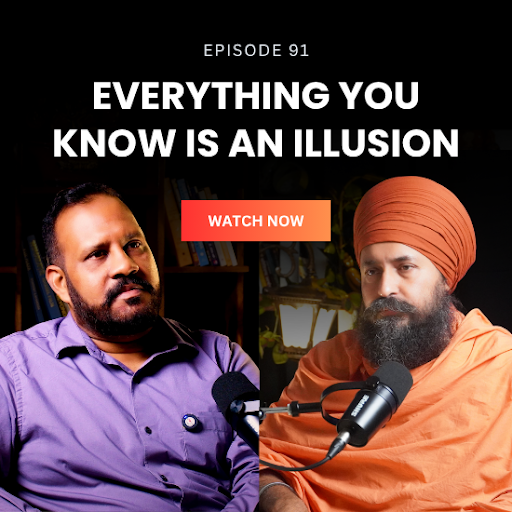
In this powerful and thought-provoking episode of The Alpha People Podcast, host Naveen Kumar Verma sits down with Tarun Kataria, Founder of Rudraksha Tree and a respected Rudraksha specialist with over 25 years of experience. Together, they explore the profound spiritual truths that often get lost in modern interpretations of ancient wisdom. From unraveling the real essence of Lord Shiva to exposing the commercialization of Rudraksha, this conversation is a deep dive into consciousness, karma, and the path to inner awakening.
Tarun Kataria begins by redefining Lord Shiva—not merely as a deity with external symbols like a snake around his neck, but as a representation of the inner consciousness that exists within each of us. The snake, he explains, symbolizes the restless human mind, and Shiva’s stillness represents the power of meditation and mastery over desires. He highlights how society has misrepresented Shiva as an intoxicated figure, while in truth, Shiva is Paramhans—the highest form of awareness and detachment.
The conversation then moves into the origins and significance of Rudraksha, said to be born from the tears of Lord Shiva. Backed by spiritual texts and scientific studies from institutions like Banaras Hindu University and Florida International University, Tarun reveals that Rudraksha contains phytochemicals, antibacterial properties, and plays a positive role in managing blood pressure, stress, and mental wellness. He stresses that Rudraksha is a source of energy, not a fashion trend, and its misuse in commercial products like “Rahu Kawach” or “Saraswati Mala” is not supported by any scriptures.
Tarun dissects the meanings behind different Mukhi Rudraksha (faced beads), their associated deities, and how ancient sages experienced their effects through deep meditation—not astrological marketing. He warns against wearing unnecessary combinations of Rudraksha, likening it to taking vitamins your body doesn’t need, which may cause imbalance instead of healing.
A major portion of the podcast is devoted to the law of karma. Using examples from mythology—such as King Dashrath’s suffering after unintentionally killing Shravan Kumar, and Lord Rama accepting karmic consequences—Tarun emphasizes that no one escapes karma, not even divine beings. He explains how modern problems like disease, loss, or depression can often be traced back to karmic imbalance, and that our inner voice—our Shiva—is constantly guiding us away from wrongdoing. When we ignore that inner guidance, we accumulate karmic debt.
The episode also addresses social and moral behavior—how small acts like cheating a rickshaw driver, disrespecting parents, or exploiting the poor can severely impact one’s planetary alignment and spiritual well-being. Tarun calls for a return to devotion, surrender, and self-awareness—not superficial rituals or name chanting, but genuine connection with higher consciousness.
As the conversation concludes, Tarun speaks about salvation (moksha), defining it not as reaching a place or a god, but as the dissolution of ego, lust, and material desire. He reminds listeners that true freedom comes from emptiness—from being so detached that even the desire for God disappears, leaving only stillness, clarity, and presence.
This episode is a must-watch for anyone seeking to understand the deeper layers of spirituality, energy, karma, and the sacred science of Rudraksha. It’s not just a conversation—it’s a spiritual awakening.
🔔 Don’t forget to subscribe & share if this conversation resonated with you!
Frequently Asked Questions
Certainly! Here are some potential questions and answers based on the podcast conversation: