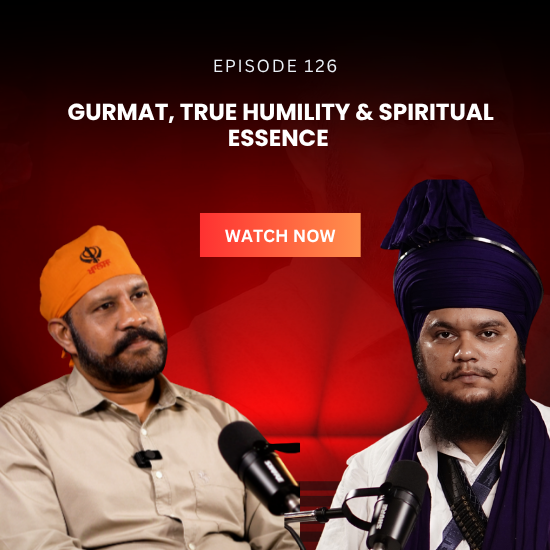
In this enlightening episode of The Alpha People podcast, Sameer Kohli, a dedicated educator with 24 years of experience, shares his personal journey and profound insights on the state of modern education, parenting, and personal development. Sameer begins by discussing his connection to Jupiter, symbolizing wisdom and education, and how his passion for teaching has shaped his life. He reflects on his early struggles and how, despite being only a 12th-grade pass, his dedication to helping students excel became his life’s calling.
Throughout the conversation, Sameer critiques the current education system, which he views as overly mechanical and focused on degrees rather than genuine skill development. He advocates for a more human, passion-driven approach to teaching and learning, where teachers inspire and guide students with empathy and creativity. Sameer shares heartwarming stories of students who overcame significant challenges with his guidance, underscoring the transformative power of personalized education.
The podcast also delves into parenting, with Sameer emphasizing the importance of parental involvement and the need for parents to demonstrate vulnerability to their children. He encourages parents to engage with their children emotionally, teaching them values and leading by example, rather than relying solely on external institutions like schools or tuition centers.
Social media and technology are also discussed, with Sameer warning about its potential dangers if not properly monitored. He compares it to nuclear energy—powerful but destructive if misused—and stresses the need for parents to actively guide their children in responsible usage. He also reflects on the influence of leadership skills in children, urging parents to nurture these traits early on.
Sameer’s conversation extends into the broader societal responsibility of raising future leaders, advocating for a system that values skills and passion over formal qualifications. He also touches on the role of traditional values, cultural heritage, and the need for an education system that adapts to modern times while preserving its roots.
In conclusion, this podcast is a thoughtful and inspiring reflection on education, parenting, leadership, and the importance of maintaining balance between tradition and modernity. Sameer Kohli’s insights offer valuable lessons for educators, parents, and anyone interested in personal and societal growth.
Frequently Asked Questions
Sure! Here are the best Q&A excerpts from the conversation, written in third person and with "Sameer Kohli" removed from the As: