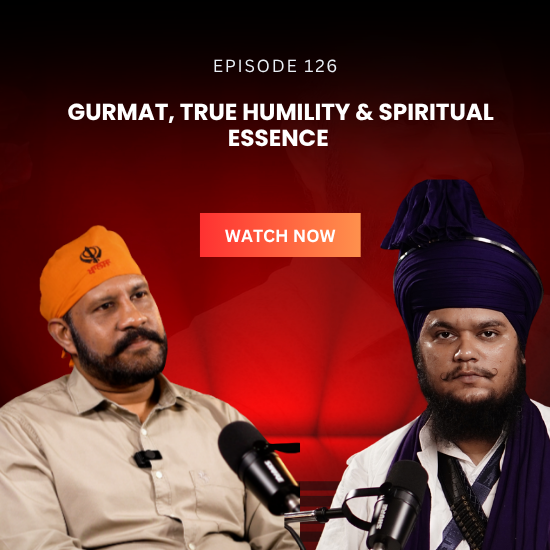
This podcast conversation revolves around the themes of spirituality, karma, and the cycle of life and rebirth. The speakers discuss the importance of understanding one’s past actions and their impact on present circumstances. They highlight the concept of “Karma” as a determinant of one’s current life situation, suggesting that actions from past lives influence the wealth, status, and challenges individuals face today.
The discussion touches on the idea of spiritual growth and devotion, with references to past life connections and the significance of staying connected to spiritual practices like reciting divine names (e.g., “Hare Ram, Hare Krishna,” “Allahu,” “Vaheguru”). The speakers emphasize that spiritual progress requires patience, persistence, and the gradual cleansing of negative influences.
They also explore the disparity between the rich and the poor, attributing it to past actions and the accumulation of karma. The conversation suggests that wealth and success in life are a result of previous good deeds, while hardships can be a consequence of past mistakes. Ultimately, the speakers advocate for continued devotion and good deeds to achieve spiritual liberation and break free from the cycle of rebirth.
Frequently Asked Questions
Certainly! Here are some potential questions and answers based on the podcast conversation:
Karma plays a crucial role in determining one's current life circumstances. Actions from past lives influence whether an individual is born into wealth or poverty, and how they experience life. Good karma from previous lives can lead to a prosperous life, while negative karma can result in hardships.
Spiritual practices, such as reciting divine names and staying connected to God, can help cleanse negative karma over time. By practicing devotion with patience and persistence, one can gradually overcome the negative influences of past actions and progress toward spiritual liberation.
Kireman Karma refers to the small, daily actions we perform, such as helping others and behaving kindly. Sanchit Karma, on the other hand, is the accumulated karma from all our past actions, which forms our destiny. Positive Kireman Karma contributes to a favorable Sanchit Karma, leading to a better future.
The disparity between the rich and the poor is attributed to their past karma. Those who were generous and performed good deeds in past lives are likely to be born into wealth, while those with negative karma may face poverty despite their hard work in this life.
Spiritual liberation is achieved by understanding and fulfilling one's karma, practicing devotion to God, and cleansing the soul of negative influences. By merging with the divine and letting go of ego and ignorance, one can break free from the cycle of rebirth and attain Moksha.
Patience is essential in spiritual practices because the process of overcoming negative karma and achieving spiritual growth is gradual. Hastiness can lead to distractions and setbacks, whereas a patient, steady approach allows one to build spiritual strength and resilience over time.