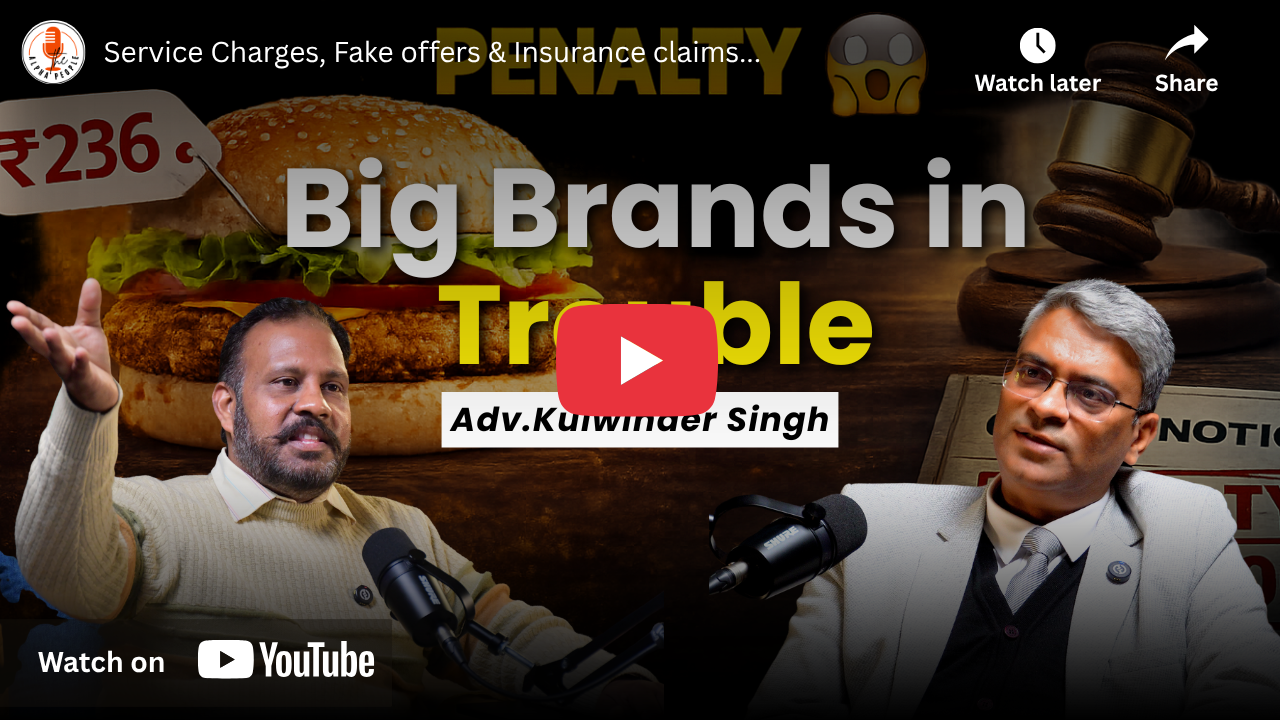
In this insightful episode of The Alpha People podcast, host Naveen Kumar Verma engages in a deep dive with Advocate Kulwinder Singh, an expert with over 21 years of experience in Consumer Protection Law. This discussion explores the critical evolution from the 1986 Act to the Consumer Protection Act 2019, shedding light on how modern consumers can fight against service charge frauds, fake online offers, insurance claim rejections, and hidden billing tactics in 2026. Whether you are dealing with a defective electronic gadget, a delayed real estate project, or unfair charges at a restaurant, this podcast serves as a comprehensive legal guide to reclaiming your rights.
The podcast begins by highlighting the necessity of the Consumer Protection Act 2019, which replaced the outdated 1986 version. Advocate Kulwinder Singh explains that the rise of e-commerce and online shopping necessitated a legal framework that prioritizes consumer convenience. A major breakthrough mentioned is that consumers can now file cases from their place of residence rather than where the transaction occurred. This shift empowers individuals to challenge giant corporations without the logistical nightmare of traveling across states.
E-Jagriti Portal and the Future of Digital Justice
A significant portion of the conversation focuses on E-Jagriti, a unified digital portal designed to streamline consumer complaints across India. While the transition to a paperless system is still facing minor technical hurdles, the ultimate goal is to enable E-hearings via video conferencing. This digital transformation aims to make justice accessible from home, reducing the burden on physical courts and ensuring that even small-scale grievances are addressed efficiently by the end of 2026.
Exposing Corporate Tactics: Hidden Charges and Service Frauds
Advocate Singh exposes common industry “traps,” such as restaurants labeling service charges as “gratuity” to bypass government regulations. He clarifies that while convenience fees for online bookings are legal, charging for branded carry bags or adding GST on already discounted products (MRP issues) can often be challenged as Unfair Trade Practices. The discussion provides practical advice on how to spot these discrepancies in bills and the importance of questioning every “hidden” fee added to your final amount.
Navigating Real Estate Scams and Insurance Hurdles
The podcast addresses the dark side of the Real Estate sector, particularly the unprofessionalism of some builders in North India. Singh discusses the limitations of RERA and how builders use NCLT (National Company Law Tribunal) as a “noble idea” to escape liabilities by declaring bankruptcy. Furthermore, he touches upon the persistent issue of Insurance Frauds, where companies often find minor loopholes to reject genuine travel or medical claims, emphasizing that legal persistence is the only way to hold these entities accountable.
The Power of Evidence: Safeguarding Your Purchases
One of the most valuable takeaways for listeners is the emphasis on documentation and evidence. Advocate Singh advises consumers to always record unboxing videos for high-value online orders to prevent “brick-in-the-box” scams. He also highlights the importance of digital bill storage, as thermal paper bills tend to fade over time. By maintaining a clear trail of emails, complaint numbers, and payment receipts, consumers build a “bulletproof” case before even stepping into a courtroom.
Legal Empowerment: Small Actions, Big Changes
The episode concludes with a call to action for every Indian citizen to become an aware consumer. Singh shares a “landmark” personal anecdote where he sued a food delivery giant over a minor burger order discrepancy to teach them a lesson in accountability. He encourages people to use tools like the ISI Bureau App for quick resolutions and reminds everyone that “Justice delayed is justice denied.” The podcast reinforces the idea that when individual consumers stand up for their rights, it forces a systemic change toward better corporate ethics.
🔔 Don’t forget to subscribe & share if this conversation resonated with you!
Frequently Asked Questions
Certainly! Here are some potential questions and answers based on the podcast conversation:
The biggest advantage is the pecuniary jurisdiction and the ability for a consumer to file a case from where they reside, making it much easier to sue online sellers based in different cities.
No, service charges are voluntary. Many restaurants try to hide them under names like "gratuity," but as per government guidelines, these cannot be mandatory.
You should always record a continuous unboxing video of the package. This serves as primary evidence. Immediately log a complaint on the portal and keep the complaint number for legal action.
Yes. A Guarantee usually implies a replacement of the product, while a Warranty implies a repair of the product.
Advocate Singh suggests scanning or taking a photo of the bill immediately and saving it in a dedicated email folder or cloud storage. Digital copies are generally accepted in consumer courts.
It is a unified digital platform where consumers can file complaints, track status, and eventually participate in video-link hearings for their cases.
Yes, consumers can still approach consumer courts. However, if a builder goes into NCLT insolvency proceedings, the consumer court cases might face stays, which is a significant legal challenge.
If the bag has the brand's logo or advertisement, they generally cannot charge for it as you are promoting their brand. Plain bags may carry a nominal charge.
Standards (BIS) app to file complaints directly against manufacturers for substandard quality, often getting a resolution within 72 hours.
Consumers often unknowingly pay meter rent and MCB box rent for decades. Additionally, if electricity is cut for prolonged periods without notice, certain guidelines allow consumers to claim compensation from the department.